

Start Here
Not sure where to begin? Here are a few thoughtful entry points depending on what you need:
For understanding gifted learners
Start with 20 Words to Know in Gifted Education
Looking for ready-to-use resources
Explore the Free & Premium Resource Library
Resources For Educators
Teaching should feel purposeful, not overwhelming. These resources offer flexible, practical tools you can use right away, along with deeper strategies to support gifted and advanced learners.
Each resource is designed to be easy to implement, grounded in real classrooms, and focused on meaningful learning.
Looking for something specific? Start with a category below.
Browse Resources by Topic
Free & Premium Classroom Resources

A fresh, ready-to-go Choice Board Toolkit designed for busy teachers who want to build student ownership and engagement through flexible learning options.

Discover ten lessons from homeschooling that can help classroom educators bring more flexibility, curiosity, and authentic learning into their classrooms.
Includes a free on-demand webinar and downloadable teaching tools.

Discover how student choice empowers gifted learners to take ownership of their education. This post explores how to design meaningful choice boards that balance structure and flexibility — and includes a link to a downloadable, editable Canva template for teachers.

The Creative Writing Passport journal is officially here! Designed for grades 5–8, this creative writing companion helps students grow as writers through engaging prompts, challenges, and self-discovery.
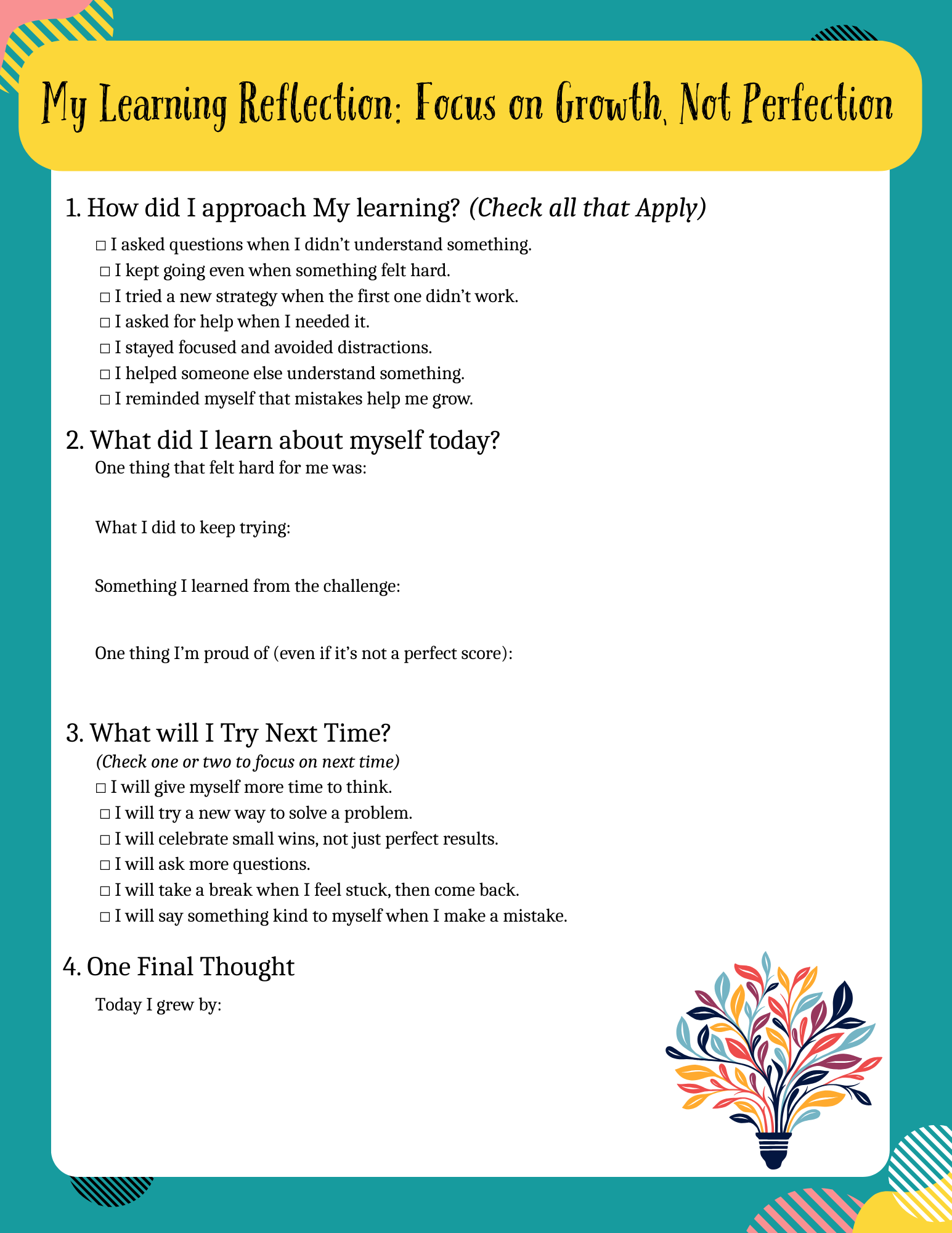
Gifted students often hold themselves to impossible standards, equating their worth with flawless performance. This post explores why perfectionism is common among gifted learners and how educators and parents can help them develop a healthier, more resilient mindset.

Discover how the SCAMPER framework transforms creative writing for gifted students. Learn to apply it in your ELA classroom and explore the classroom-ready Story Rewrite Challenge, available in printable and editable formats.

Learn how to support gifted students’ emotional and social needs with practical strategies for home and school. Includes a free downloadable “5 Tips for Success” poster.

Artistically gifted students experience the world with remarkable depth and sensitivity. This post explores the emotional and social traits that shape their creative lives—like perfectionism, self-expression, and the need for supportive environments—and includes a free downloadable chart for educators and parents.
Explore a curated collection of free downloads and premium resources, all created to support gifted learners, flexible instruction, and joyful learning.
Each resource is linked to a blog post with more details—and you’ll find a free or premium download link at the bottom of each post.
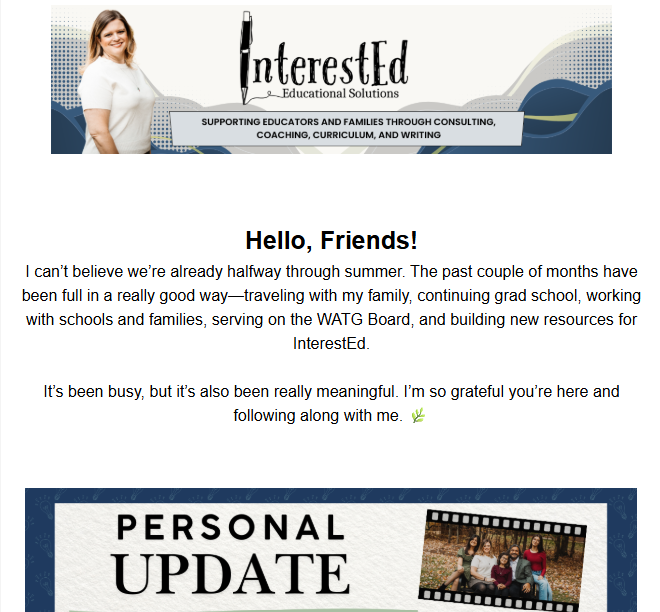
The school year is underway, and there’s a lot happening at InterestEd. This September issue includes practical classroom ideas, updates on the Whole Learner Instructional Decision Framework, gifted education and professional learning news, recent writing, resources, and a look at what I’ve been working on this fall.
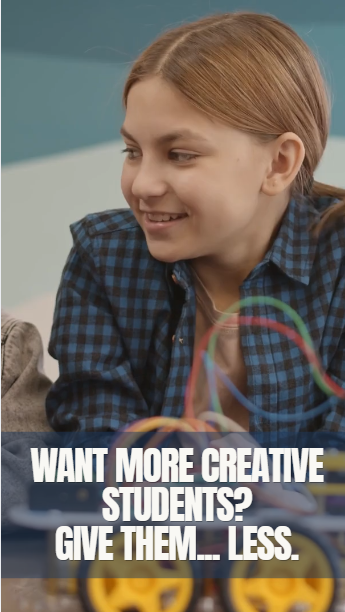
Many teachers assume that giving students unlimited freedom leads to greater creativity. In reality, thoughtful constraints often inspire deeper thinking, stronger problem solving, and more innovative solutions. Learn four practical ways to use material, time, budget, and process constraints to transform your STEM challenges.
Catch up on the latest from InterestEd, including my newest Edutopia article, gifted education insights, free classroom resources, family updates, and practical ideas to inspire your teaching this school year.
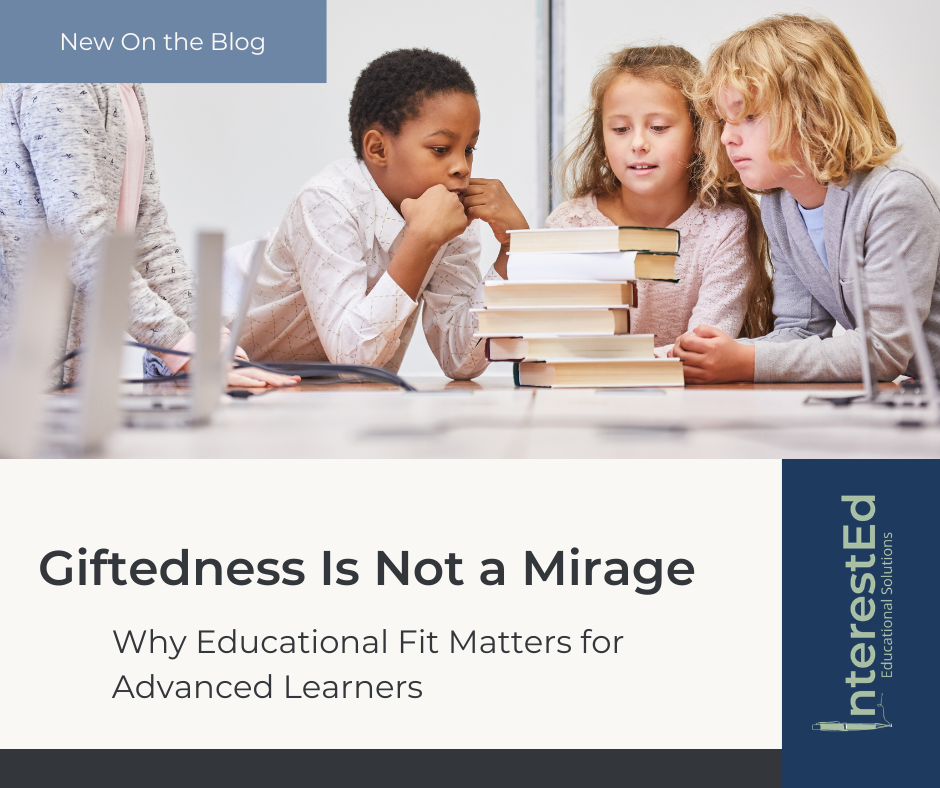
A recent New York Magazine article questioned whether giftedness is real at all. As an educator who works with gifted and twice-exceptional learners, I believe the better question is not whether giftedness exists, but whether our systems are doing an adequate job identifying and supporting students with advanced learning needs.

The May edition of The InterestEd Insight includes classroom strategies, gifted education reflections, summer learning ideas, and resources for educators and families preparing for the transition into summer.
Students can give the right answers without truly thinking deeply. This article shares 6 simple ways to bring more depth into your ELA lessons without adding more work.
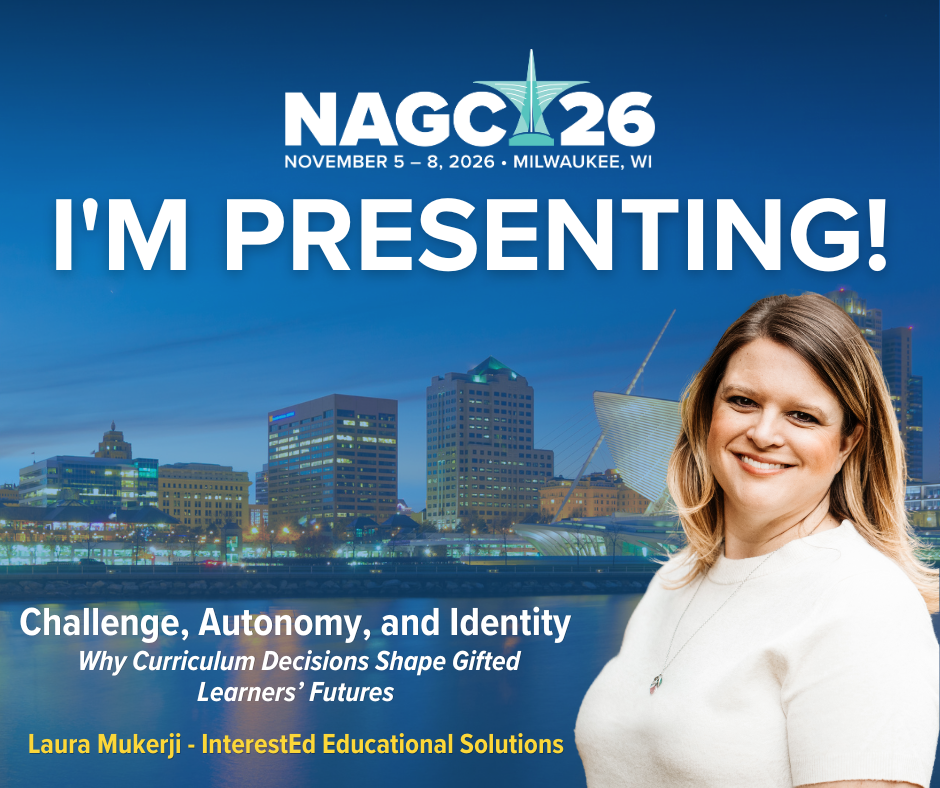
Laura Mukerji shares news of her NAGC26 presentation on how challenge, autonomy, and curriculum design shape gifted learners’ motivation, identity, and long-term success.

. In this newsletter, I share recent writing, practical teaching ideas, and a look at what I’ve been building at InterestEd over the last few months!
Looking for ways to challenge gifted learners without extra planning? These strategies help you add depth and complexity to what you are already teaching.
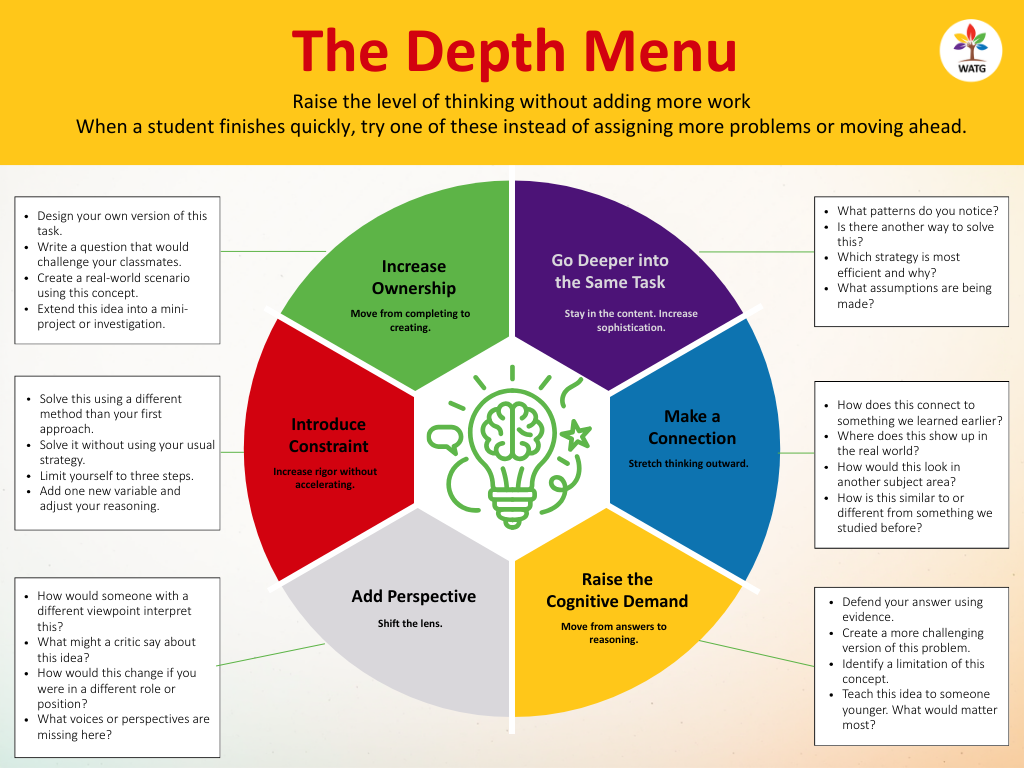
When students finish early, the typical response is to give them more work or move them ahead. But deeper learning doesn’t always require acceleration. In this article, I share a simple strategy teachers can use to extend thinking within the same task, along with a free classroom resource.

Curriculum is not neutral for gifted learners. When challenge and autonomy are missing, the long-term cost shows up in motivation, identity, and sustained engagement with learning.
When my daughter admitted that she wasn’t sure she liked her advanced math class because it felt hard, I realized she might be experiencing true academic challenge for the first time. That car ride led to a conversation about why struggle matters in learning, especially for gifted students, and how growth often happens in the space just beyond what feels comfortable. This post explores the zone of proximal development through a real parenting moment and offers insight for educators and families navigating productive challenge.
Understanding Gifted Learners
Explore insights, strategies, and research-based information to better understand the unique strengths, needs, and challenges of gifted and twice-exceptional students. Whether you're a parent, teacher, or school leader, these articles offer practical guidance to help you support gifted learners with compassion, flexibility, and creativity.
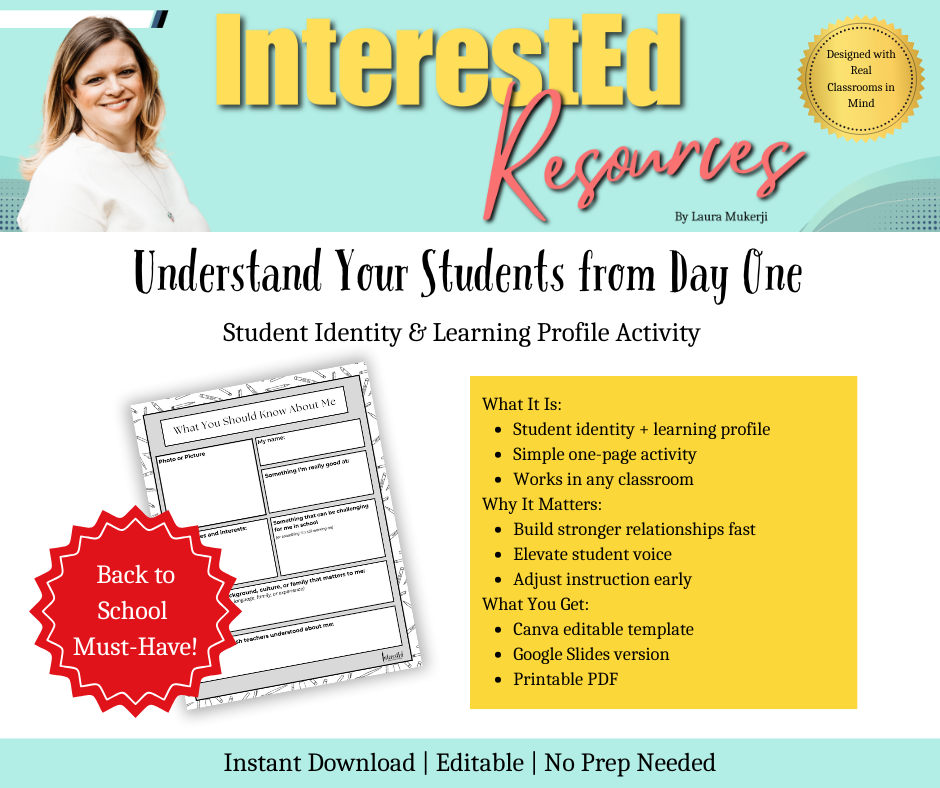
A simple, meaningful activity to help you truly understand your students from the start. This one-page student profile builds relationships, supports student voice, and gives you insight you can actually use.
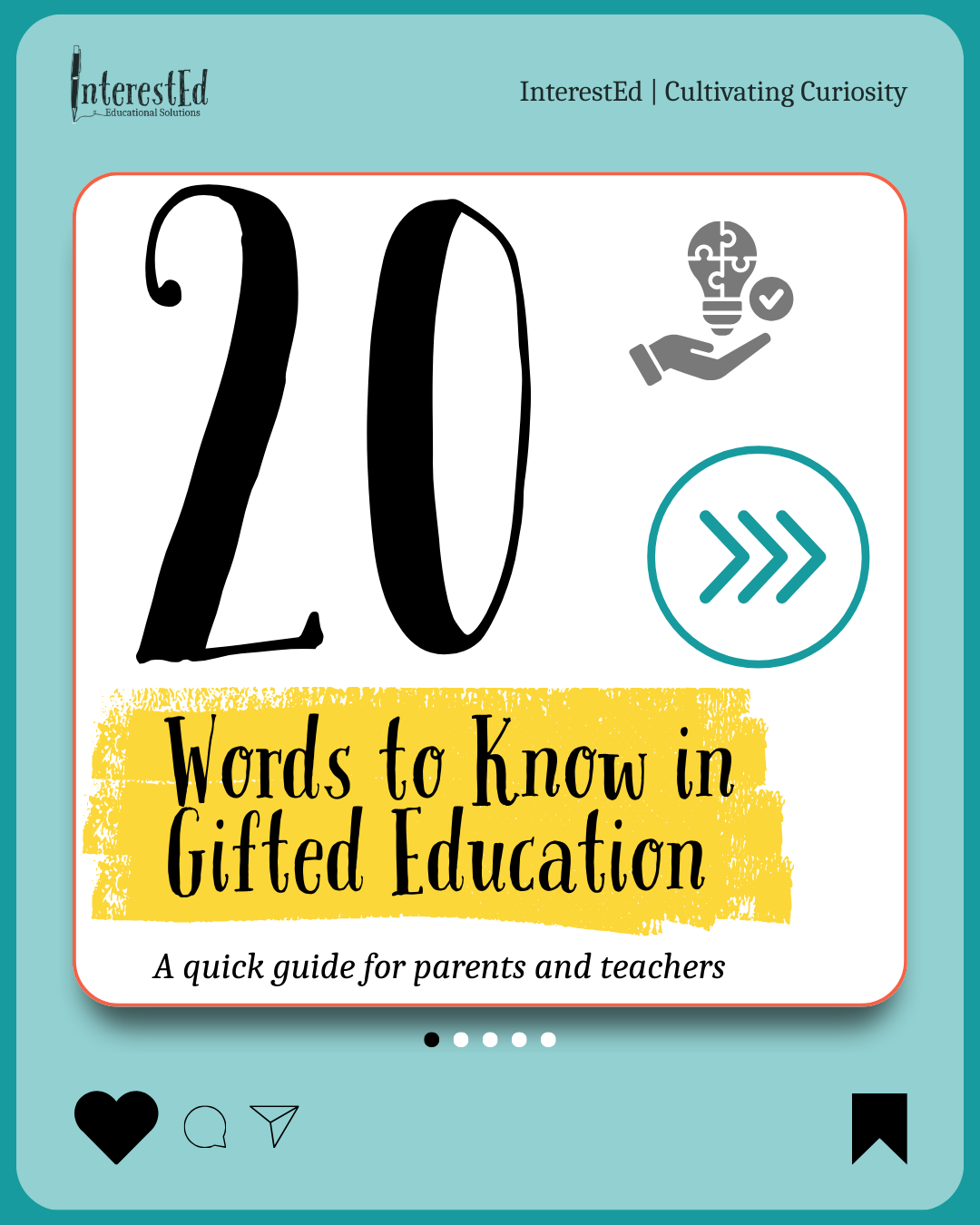
Words shape how we see giftedness. This family-friendly guide explains 20 key terms every parent and teacher should know — and includes a free printable PDF glossary to help you understand and support gifted learners with confidence.

Rest is not wasted time—it is where creativity and reflection take root. Learn how “doing nothing” can help gifted kids process emotions, strengthen imagination, and grow with balance.

Gifted learners think deeply and feel deeply. This guide explains key concepts like emotional intensity and asynchronous development and offers practical ways to create inclusive, caring environments.
Gifted students often hold themselves to impossible standards, equating their worth with flawless performance. This post explores why perfectionism is common among gifted learners and how educators and parents can help them develop a healthier, more resilient mindset.
Discover how the SCAMPER framework transforms creative writing for gifted students. Learn to apply it in your ELA classroom and explore the classroom-ready Story Rewrite Challenge, available in printable and editable formats.
Learn how to support gifted students’ emotional and social needs with practical strategies for home and school. Includes a free downloadable “5 Tips for Success” poster.

Start the new year with a fresh approach to gifted education. Discover how to foster independence, risk-taking, and reflection to help gifted learners thrive in 2025.

Gifted learners often excel quickly but struggle when faced with challenges. Discover practical strategies for fostering a growth mindset to help students build resilience, embrace effort, and view learning as an ongoing journey.

Holistic learning nurtures the whole student—intellectually, emotionally, socially, and creatively. Learn how simple classroom and homeschool practices can help students grow with curiosity, balance, and confidence.
Growth Mindset and Resilience
Building a growth mindset is essential for gifted learners who often face perfectionism, fear of failure, or high expectations. These resources offer strategies and activities to help students develop resilience, embrace challenges, and see learning as a journey—not just a destination.
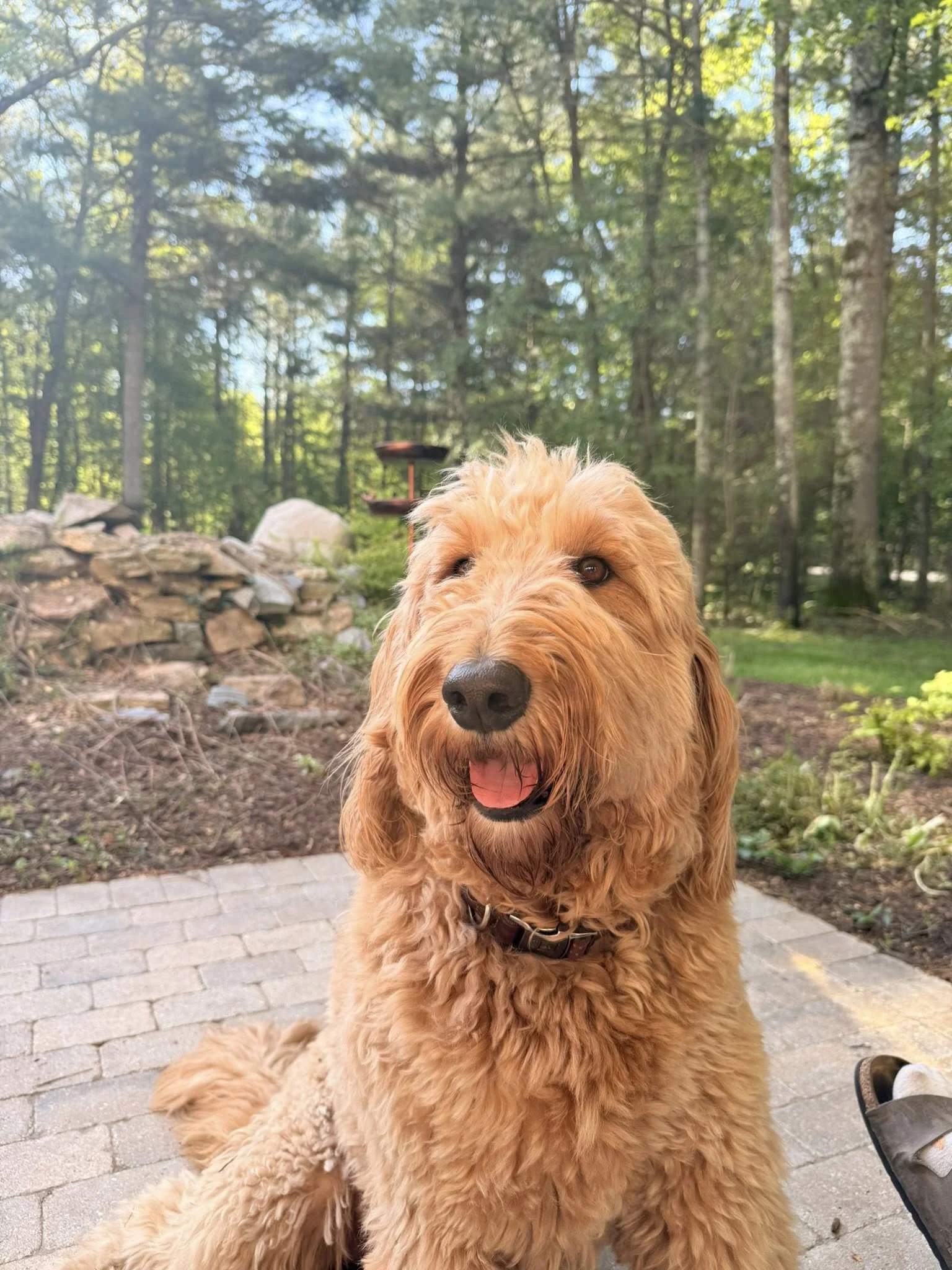
After nearly four years of training, classes, and practice, Hope has officially passed her therapy dog certification! In this personal update, I share the journey that led to this milestone, what therapy dog work means to me, and some of the opportunities Hope and I hope to explore in our community.
A simple, meaningful activity to help you truly understand your students from the start. This one-page student profile builds relationships, supports student voice, and gives you insight you can actually use.
When my daughter admitted that she wasn’t sure she liked her advanced math class because it felt hard, I realized she might be experiencing true academic challenge for the first time. That car ride led to a conversation about why struggle matters in learning, especially for gifted students, and how growth often happens in the space just beyond what feels comfortable. This post explores the zone of proximal development through a real parenting moment and offers insight for educators and families navigating productive challenge.
Words shape how we see giftedness. This family-friendly guide explains 20 key terms every parent and teacher should know — and includes a free printable PDF glossary to help you understand and support gifted learners with confidence.

Gifted and Distractible by Julie Skolnick offers an empathetic, research-informed look at twice-exceptional learners. It’s packed with strategies for parents and teachers to support gifted kids who also struggle with focus, regulation, or organization.
Rest is not wasted time—it is where creativity and reflection take root. Learn how “doing nothing” can help gifted kids process emotions, strengthen imagination, and grow with balance.

This essential guide helps families and educators understand the joys and challenges of raising gifted children, offering practical strategies for connection, advocacy, and emotional well-being.

Smart but Scattered is an insightful guide to building executive functioning skills for children who struggle with focus and organization—especially gifted learners. Learn how to turn frustration into growth with practical, research-based tools.
Gifted learners think deeply and feel deeply. This guide explains key concepts like emotional intensity and asynchronous development and offers practical ways to create inclusive, caring environments.
Gifted students often hold themselves to impossible standards, equating their worth with flawless performance. This post explores why perfectionism is common among gifted learners and how educators and parents can help them develop a healthier, more resilient mindset.
Discover how the SCAMPER framework transforms creative writing for gifted students. Learn to apply it in your ELA classroom and explore the classroom-ready Story Rewrite Challenge, available in printable and editable formats.
Learn how to support gifted students’ emotional and social needs with practical strategies for home and school. Includes a free downloadable “5 Tips for Success” poster.
Social - Emotional Learning
Discover tools, reflections, and strategies to support the emotional well-being of gifted and neurodiverse learners. From perfectionism and anxiety to identity development and self-expression, these resources focus on helping students build emotional awareness, resilience, and a sense of belonging in learning environments that understand and honor their needs.
A fresh, ready-to-go Choice Board Toolkit designed for busy teachers who want to build student ownership and engagement through flexible learning options.
Discover ten lessons from homeschooling that can help classroom educators bring more flexibility, curiosity, and authentic learning into their classrooms.
Includes a free on-demand webinar and downloadable teaching tools.

I’m excited to share that I’ll be presenting at the 2025 WATG Conference on Gifted Education! My session explores what schools can learn from homeschooling gifted students—especially around flexibility, curiosity, and student-led learning.

This Fourth of July, try a simple curiosity challenge that blends art and reflection. Encourage kids to design a flag for the future—and spark meaningful conversations about creativity, values, and identity.
Rest is not wasted time—it is where creativity and reflection take root. Learn how “doing nothing” can help gifted kids process emotions, strengthen imagination, and grow with balance.
Gifted students often hold themselves to impossible standards, equating their worth with flawless performance. This post explores why perfectionism is common among gifted learners and how educators and parents can help them develop a healthier, more resilient mindset.
Discover how the SCAMPER framework transforms creative writing for gifted students. Learn to apply it in your ELA classroom and explore the classroom-ready Story Rewrite Challenge, available in printable and editable formats.

Choosing the right homeschooling approach doesn’t have to be overwhelming. Explore eight major homeschool methods, discover their benefits, and learn how to find your family’s best fit.
Gifted learners often excel quickly but struggle when faced with challenges. Discover practical strategies for fostering a growth mindset to help students build resilience, embrace effort, and view learning as an ongoing journey.
Holistic learning nurtures the whole student—intellectually, emotionally, socially, and creatively. Learn how simple classroom and homeschool practices can help students grow with curiosity, balance, and confidence.
Homeschool Resources
Whether you're just beginning your homeschool journey or looking to enrich your current curriculum, these resources are designed to support flexible, curiosity-driven learning. Find practical tools, creative ideas, and planning guides to help you build a homeschool environment where gifted and advanced learners can thrive.
A recent New York Magazine article questioned whether giftedness is real at all. As an educator who works with gifted and twice-exceptional learners, I believe the better question is not whether giftedness exists, but whether our systems are doing an adequate job identifying and supporting students with advanced learning needs.
I’m excited to share that I’ll be presenting at the 2025 WATG Conference on Gifted Education! My session explores what schools can learn from homeschooling gifted students—especially around flexibility, curiosity, and student-led learning.
Gifted learners think deeply and feel deeply. This guide explains key concepts like emotional intensity and asynchronous development and offers practical ways to create inclusive, caring environments.
Learn how to support gifted students’ emotional and social needs with practical strategies for home and school. Includes a free downloadable “5 Tips for Success” poster.
Artistically gifted students experience the world with remarkable depth and sensitivity. This post explores the emotional and social traits that shape their creative lives—like perfectionism, self-expression, and the need for supportive environments—and includes a free downloadable chart for educators and parents.

Gifted identification should go beyond IQ testing. Explore how nonverbal assessments, portfolios, and holistic approaches can reveal the full potential of gifted and twice-exceptional learners.

Not every child is gifted in the educational sense—and that’s okay. Learn why recognizing and supporting gifted students’ unique needs ensures equity, engagement, and true growth for all learners.
Start the new year with a fresh approach to gifted education. Discover how to foster independence, risk-taking, and reflection to help gifted learners thrive in 2025.
Holistic learning nurtures the whole student—intellectually, emotionally, socially, and creatively. Learn how simple classroom and homeschool practices can help students grow with curiosity, balance, and confidence.
Advocacy for Gifted Learners
Advocacy starts with understanding. These resources are designed to help parents, educators, and communities support the unique needs of gifted and twice-exceptional learners. Explore guides, strategies, and tools to help you champion flexibility, creativity, and meaningful growth for every student.
Gifted and Distractible by Julie Skolnick offers an empathetic, research-informed look at twice-exceptional learners. It’s packed with strategies for parents and teachers to support gifted kids who also struggle with focus, regulation, or organization.
This essential guide helps families and educators understand the joys and challenges of raising gifted children, offering practical strategies for connection, advocacy, and emotional well-being.

This essential resource explores the emotional world of gifted learners with practical strategies for supporting well-being, motivation, and growth.
Smart but Scattered is an insightful guide to building executive functioning skills for children who struggle with focus and organization—especially gifted learners. Learn how to turn frustration into growth with practical, research-based tools.
Recommended Reads for Educators, Parents, and Curious Learners
Explore some of my favorite books on gifted education, social-emotional learning, executive functioning, and creative growth. Each recommendation is carefully selected to offer practical strategies, fresh insights, and meaningful support for the unique needs of gifted and twice-exceptional students.

Curriculum doesn't just shape what gifted learners know. It shapes who they become. Watch this preview of my upcoming NAGC26 presentation on challenge, autonomy, identity, and long-term talent development.
In this preview of my upcoming presentation at the National Association for Gifted Children (NAGC26), I explore why curriculum decisions shape far more than academic achievement. Discover how challenge, autonomy, pacing, and depth influence gifted learners' motivation, identity, and long-term talent development.

What does an educational consultant do all week? In this episode of What Am I Up To Wednesday, I share a behind-the-scenes look at client support, educational leadership, graduate coursework, content creation, and the work happening behind the scenes at InterestEd Educational Solutions.
Welcome back to What Am I Up To Wednesday!
This week I'm sharing a behind-the-scenes look at the many different roles that make up educational consulting. From supporting families and managing client projects to writing, leadership work, and graduate studies, no two weeks are ever exactly the same.

What does an educational consultant actually do? In the first episode of What Am I Up To Wednesday, I'm sharing a behind-the-scenes look at my week, including family consultations, curriculum development, graduate coursework, writing projects, and more.
Welcome to the first episode of What Am I Up To Wednesday!
One of the questions I hear most often is, "What does an educational consultant actually do?" The answer is that no two weeks look exactly the same. My work includes supporting families, creating educational resources, writing, professional learning, advocacy, and collaborating with educators and organizations.
In this week's update, I share a behind-the-scenes look at what I've been working on, including educational consultations, curriculum and resource development, graduate coursework, and a few exciting writing projects.
Whether you're a parent, educator, homeschool family, or simply curious about the work of an educational consultant, I hope this series offers a helpful glimpse into the work happening behind the scenes at InterestEd Educational Solutions.
Thanks for following along, and I'll see you next Wednesday!

Students can give the “right” answers without truly thinking deeply. This short video shares 6 simple ways to add depth to your lessons without adding more work.
Students can often explain a concept, identify a theme, or give the “right” answer, but that doesn’t always mean they’re engaging in deep thinking.
In this video, I share 6 simple shifts that can help move students beyond surface-level understanding and into more meaningful engagement with content.
These are small, practical strategies you can use right away. They do not require more planning time or additional materials. Instead, they focus on how we use the time we already have in the classroom.
This video is based on my published article with Edutopia.
🔗 Read the full article here: https://www.edutopia.org/article/6-ways-to-add-depth-to-your-ela-lessons
🌿 Explore more classroom resources here: https://www.learnwithinterested.com


Give students the power to choose how they learn and demonstrate understanding — without adding more work for you. This short video introduces a ready-to-use Choice Board for Differentiation resource designed to bring flexibility, engagement, and ownership into any classroom.
A few weeks ago, a former coworker asked if I still had my old choice board template — the one I used to help students take ownership of their learning. That conversation inspired me to update the original design and turn it into something ready-to-go for other teachers, too.
In this short video, I’ll walk you through the updated Choice Boards for Differentiation toolkit: a complete, editable resource that helps teachers use student choice to support differentiation and engagement in meaningful ways.
🌿 What you’ll find inside:
• Editable Google Slides choice board template
• Four teacher-facing guides (Why, How, Reflection, Choice Bank)
• 80+ ideas to support all learners
• Optional student reflection page
Whether you’re a classroom teacher, instructional coach, or homeschool educator, this resource is designed to help you simplify differentiation and make learning more flexible and student-centered.

In the session, I walk through ten lessons I learned from homeschooling that apply directly to classroom teachers and gifted coordinators. Each one is practical, rooted in lived experience, and supported by research.
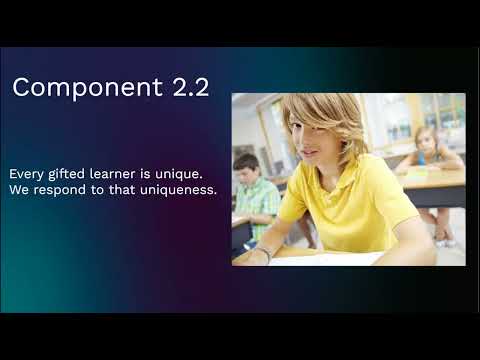
Gifted students are often navigating a world that doesn’t fully see them. In this post, Laura shares 20 strategies for building inclusive, culturally responsive environments that nurture gifted learners’ whole development—not just their intellect. Grounded in NAGC’s Standard 2 and real-world experience, these ideas are designed to help educators and families create spaces where gifted students feel safe, supported, and stretched to reach their full potential.
Gifted learners deserve more than advanced academics—they deserve safe, inclusive spaces where their cognitive, social, and emotional needs are supported. Explore 20 practical ways to create classrooms and learning environments where gifted students can truly thrive.

Learn how to shift your focus from praising intelligence to recognizing hard work, persistence, and problem-solving strategies—key factors that help students develop resilience and achieve mastery.
In this video, we’ll explore one of the most effective techniques for fostering a growth mindset in gifted students: emphasizing effort over innate talent. Learn how to shift your focus from praising intelligence to recognizing hard work, persistence, and problem-solving strategies—key factors that help students develop resilience and achieve mastery.

In this video, we’re starting with the basics of growth mindset—what it is, why it’s so important, and how it can make a real difference in how students approach challenges and learning. I’ll also be sharing how you can start using these strategies with your own students, whether they’re gifted or simply looking for ways to grow and thrive.
Welcome to the first episode of the InterestEd YouTube channel! I’m Laura Mukerji, and I’m so excited to dive into the world of growth mindset with you. Whether you’re a teacher, homeschool parent, or just passionate about supporting students, this channel is here to help you unlock the potential in every learner. In this video, we’re starting with the basics of growth mindset—what it is, why it’s so important, and how it can make a real difference in how students approach challenges and learning. I’ll also be sharing how you can start using these strategies with your own students, whether they’re gifted or simply looking for ways to grow and thrive. Make sure to hit subscribe so you don’t miss the upcoming videos, where we’ll dive deeper into specific techniques to cultivate growth mindset, including tips on praising effort, embracing failure, setting goals, and much more. Thanks for being here—let’s grow together!
#GrowthMindset #GiftedEducation #StudentSuccess #InterestEd #CultivatingCuriosityNurturingKnowledge
A simple, meaningful activity to help you truly understand your students from the start. This one-page student profile builds relationships, supports student voice, and gives you insight you can actually use.