
How to Foster a Growth Mindset in Gifted Learners
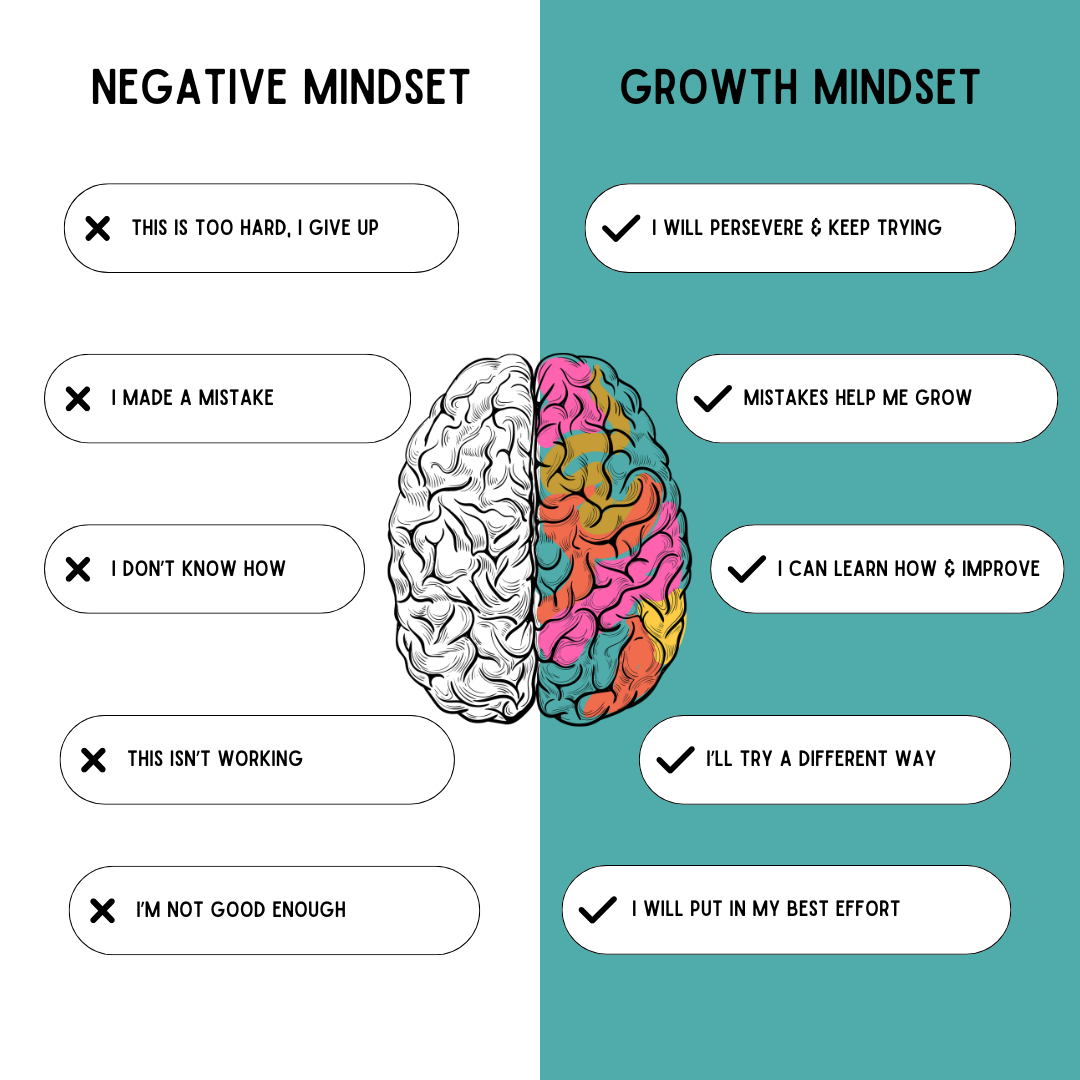
Fostering a growth mindset is one of the most powerful ways to support the long-term success of gifted learners. A growth mindset is the belief that intelligence and abilities can develop through effort, practice, and reflection.It helps students see challenges as opportunities for improvement rather than signs of failure.
Gifted students, in particular, often master skills quickly and may become discouraged when they finally face something that requires persistence. By teaching them to value effort over perfection, we help them build the resilience and confidence they need to continue learning throughout life.
Techniques for Encouraging Growth
Emphasize Effort Over Talent
Celebrate hard work and perseverance, especially when students tackle challenges that stretch their abilities. When gifted learners see that sustained effort leads to mastery, they build lasting confidence. Daniel Coyle, in The Talent Code, highlights how consistent practice strengthens neural pathways through the growth of myelin—a process that helps the brain process information more efficiently. By valuing effort, we reinforce the idea that intelligence grows with experience.Encourage Risk Taking
Gifted learners often prefer to stick to what they know they can do well. Encouraging them to try new things, even when success is uncertain, teaches them that mistakes are part of progress. Productive risk-taking strengthens problem-solving, collaboration, and creativity—skills that serve them far beyond the classroom.Teach Goal Setting and Task Breakdown
Show students how to set meaningful goals and divide them into smaller, manageable steps. This approach builds persistence and gives them a clear roadmap for success. Over time, they learn that consistent, small actions lead to major growth.Model a Growth Mindset
Let students see you make mistakes, reflect, and try again. When educators and parents model perseverance, students learn that even experts continue learning.Create a Supportive Community
Build classroom and home environments that encourage discussion, collaboration, and shared reflection. As Heacox and Cash remind us in Differentiation for Gifted Learners, a supportive community is key to helping gifted students take ownership of their learning journeys.Include Reflection and Feedback
Encourage students to reflect on what worked, what didn’t, and what they learned from the process. Provide feedback that highlights both strengths and areas for improvement. Recognizing effort alongside outcomes reinforces the belief that growth is always possible.
Growth mindset work benefits more than academic performance—it nurtures self-awareness, perseverance, and curiosity. By emphasizing effort, encouraging reflection, and modeling resilience, we empower gifted students to see learning as a lifelong adventure.
If you’d like a practical way to support a growth mindset in your classroom, explore the Choice Boards for Differentiation in the InterestEd Store. These flexible tools help students set goals, reflect on learning, and take ownership of their progress.
Laura
References
Coyle, D. (2009). The Talent Code: Greatness Isn't Born. It's Grown. Here's How. Random House Publishing Group.
Heacox, D., & Cash, R. M. (2020). Differentiation for Gifted Learners: Going Beyond the Basics. Free Spirit Publishing.



The school year is underway, and there’s a lot happening at InterestEd. This September issue includes practical classroom ideas, updates on the Whole Learner Instructional Decision Framework, gifted education and professional learning news, recent writing, resources, and a look at what I’ve been working on this fall.