
I’m excited to share that my second article has been published with Edutopia!
Students could often give the “right” answers. They could identify themes, describe characters, and say all the things we hope they’ll say. But that didn’t always mean they were thinking deeply about the content.
It took me a while to realize that depth wasn’t about creating more complex lessons or adding more work. It was about what we did with the moments we already had.
👉 Read the full article here
Takeaways:
In this piece, I share six small shifts that can make a big difference in how students engage with content:
Being okay with a little discomfort in discussion
Helping students make meaningful connections
Raising the level of thinking in simple ways
Exploring different perspectives
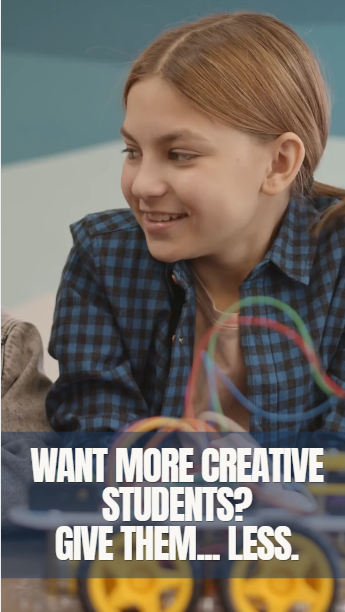
Adding thoughtful constraints
Giving students more ownership
None of these require extra planning time or elaborate lesson design. They’re small, intentional moves that build on what you’re already doing.
This way of thinking is at the core of a lot of the work I do around differentiation and supporting gifted learners. If you’re looking for something you can use right away in your classroom, you might also find these helpful:
Creative Writing Resources for Flexible Thinking - Creative Writing Journal and SCAMPER Rewrite Challenge

Behind many educational opportunities for gifted learners is an enormous amount of work families do to make them possible. From transportation and scheduling to advocacy and navigating school systems, these often invisible responsibilities raise important questions about equity, access, and who gets to participate.